
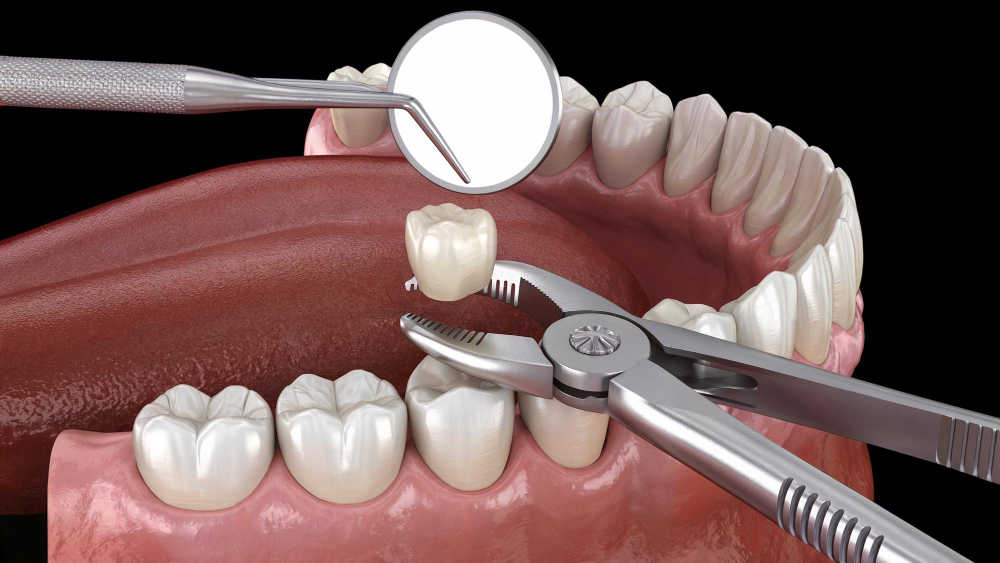
What Are Dental Crowns?
Dental crowns are custom-made caps that fit over a tooth. They help protect and restore damaged teeth. In many cases, dental crowns cover teeth that are weak, broken, or worn down. Dentists use them to improve both function and appearance. For example, a crown can make a tooth look and feel like new. The American Dental Association notes that crowns are a common solution in dental care.
When Are Dental Crowns Needed?
Often, dental crowns are needed when a tooth is badly damaged. For instance, if you have a large cavity, a crown may be the best way to save your tooth. Additionally, crowns are used after root canal treatment. Dentists may also recommend crowns for:
In some cases, your dentist in your area may suggest a crown to support a dental bridge.
Types of Dental Crowns
There are several types of dental crowns. Each material has its own benefits. For example, porcelain crowns look very natural and blend with your other teeth. Ceramic crowns are also tooth-colored and work well for front teeth. Metal crowns, such as gold or stainless steel, are strong and last a long time. Resin crowns are more affordable, but they may wear down faster. Your dentist will help you choose the best type for your needs.
The Dental Crown Procedure
First, your dentist will examine your tooth. If a crown is needed, the tooth is shaped to fit the crown. Next, your dentist will take an impression or digital scan of your tooth. This helps create a crown that fits perfectly. While you wait for the permanent crown, a temporary crown is placed. Once the final crown is ready, your dentist will check the fit and color. Finally, the crown is cemented in place. Most people find the process simple and comfortable.
Benefits of Dental Crowns
Dental crowns offer many benefits. For starters, they protect weak or damaged teeth from further harm. Additionally, crowns restore your tooth’s shape and strength. Many people notice that eating and speaking become easier. Crowns can also improve your smile by covering discolored or misshapen teeth. In short, dental crowns help you keep your natural teeth longer and boost your confidence.
Caring for Your Dental Crown
Proper care helps your dental crown last many years. First, brush your teeth twice a day with a soft-bristled toothbrush. Floss daily to remove food and plaque between your teeth. It is also important to avoid chewing hard foods, like ice or hard candy, which can damage the crown. Visit your dentist for regular check-ups and cleanings. If you grind your teeth at night, ask your dentist about a mouthguard. With good care, dental crowns can last 5 to 15 years or more.
Potential Risks and Complications
While dental crowns are safe, some risks exist. Sometimes, you may feel sensitivity to hot or cold foods. In rare cases, a crown may become loose or fall off. If this happens, contact your dentist right away. Occasionally, the crown may chip or crack. Your dentist can often repair minor damage. Allergic reactions are very rare, but let your dentist know if you have any allergies to metals or materials. Regular dental visits help catch problems early.